Nigar ISMAYILZADE
DOI: https://doi.org/10.30546/209805.2025.101.2.1015
Abstract
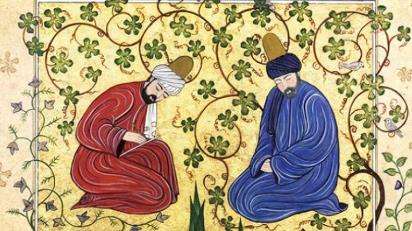
While the thirteenth and fourteenth centuries mark the formative period of Turkish Sufi literature in Anatolia, the fifteenth and sixteenth centuries represent the peak of tekke poetry. The fifteenth century, in particular, was the era in which tekke literature reached maturity in terms of meter, rhyme, and poetic form. In the Sufi literature of the fifteenth century, the concept of divine love found its lyrical expression in the works of tariqa poets associated with what is known as zumra literature.Scholars classify zumra literature into the Qadiri, Mevlevi, Khalwati, Alevi-Bektashi, and Malami-Hamzawi traditions. The fifteenth century also witnessed prominent representatives of tekke literature such as Eşrefoğlu Rumi, Kemal Ümmi, Dede Ömer Ruşeni, and Abdürrahim Rumi. In terms of poetics, style, and mode of expression, almost all tekke poets – regardless of their tariqa affiliations – were followers of the Yunus Emre school. Hacı Bayram Veli played a major role in the development of national literature and in the dissemination of the idea of divine love. Turkish tekke poetry of the fifteenth century is also notable for its richness in Sufi terminology. Poets of this period made extensive use of such terminology in articulating concepts of divine love.