Onur COSKUN
DOI:
Abstract
Postmodernism, which gives centrality to flexibility, ambiguity, transience,
irony, skepticism and fragmentation of meaning, has begun to lose its hegemony in explaining many elements of contemporary visual culture, especially contemporary art.
The loss of postmodernism’s hegemony has led to the need for new conceptual frameworks to explain the elements of contemporary visual culture. Metamodernism, since it
also incorporates elements of modernism, is ideally suited to meet this conceptual need.
In contrast to postmodern discourse, metamodern discourse is characterized not only
by irony, nihilism, fragmentation, and aimlessness, but also by hope, sincerity, purposefulness, connection, and meaning-making. Metamodernism's oscillations between
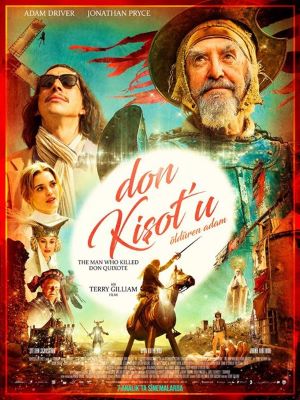
these two extremes facilitate the explanation of elements of contemporary visual culture. This study examines the influence of metamodernism on cinema through a hermeneutic analysis of the film The Man Who Killed Don Quixote (Terry Gilliam, 2018)
and Miguel de Cervantes's novel Don Quixote: The Cunning Gentleman of La Mancha.
The modern discourse developed by Don Quixote in the novel to transform his era and
society, and the image of Don Quixote in the film, oscillating between irony, hope, and
progress, make the creation of a metamodern discourse possible. The sincere, ironic,
purposeful, and captivating nature of both the film and the book fleshes out metamodernism's attempt to transcend modernity and postmodernism without denying
them.