Sayali S. Jalilova
DOI: https://doi.org/10.30546/209805.2026.3.2.3056
Abstract
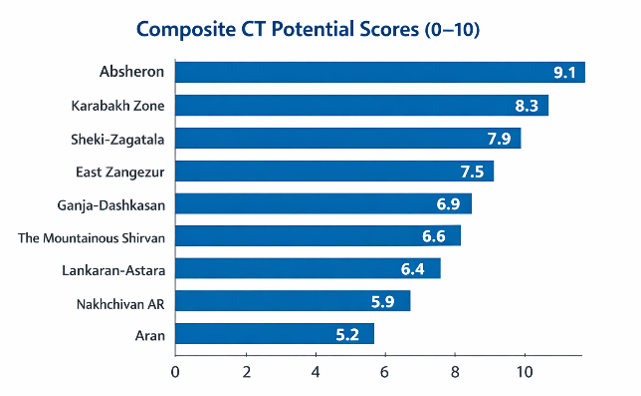
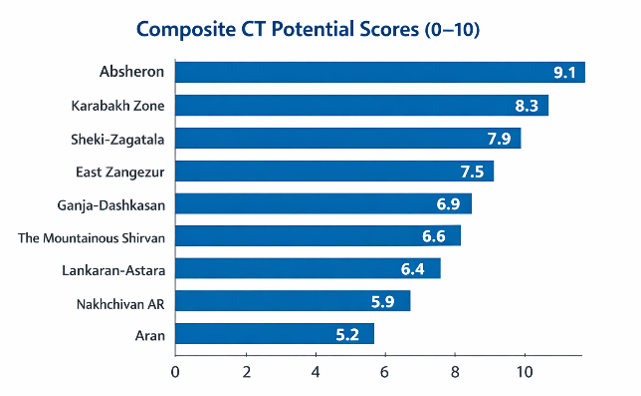
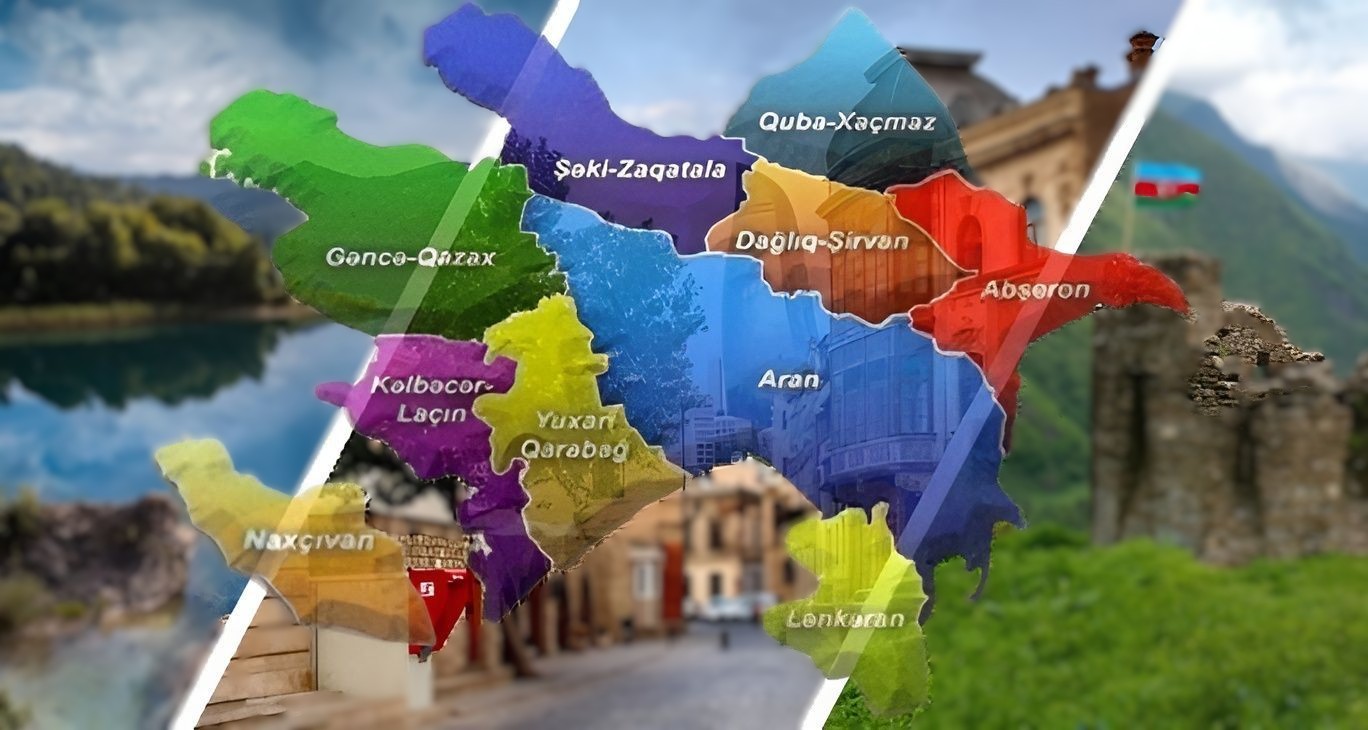
Creative tourism, as an advanced and participatory dimension of the global creative economy, has emerged as a significant instrument for regional development and the territorial redistribution of eco-nomic activity. This article examines the regional development potential of creative tourism in Azerbai-jan and proposes methodological foundations for its economic-geographical organization. Grounded in the theoretical frameworks of Richards (2011, 2020), Porter (1990), Hall and Williams (2019), and UN-WTO (2018) guidelines, the study employs comparative regional analysis, functional-structural analysis, and conceptual modeling to assess the spatial differentiation of creative tourism resources across Azer-baijan's principal economic regions. The analysis demonstrates that Azerbaijan possesses a layered and territorially diverse portfolio of creative tourism resources, including UNESCO-recognized intangible her-itage assets, traditional craft industries, performing arts traditions, and culturally embedded gastronomy, yet their regional distribution is characterized by marked spatial asymmetry. Absheron and the greater Baku metropolitan area retain a disproportionate concentration of creative tourism infrastructure, while the Karabakh Economic Zone and East Zangezur regions, despite their exceptional heritage density, re-main structurally underdeveloped in terms of creative economy activation. A conceptual territorial mod-el is developed that delineates four functional cluster zones, articulates the cause-and-effect relation-ships governing creative tourism development, and provides actionable policy implications for spatially balanced growth. The findings indicate that a cluster-based, governance-coordinated approach to crea-tive tourism organization constitutes the most effective pathway for addressing regional disparities and achieving sustainable territorial development.