In the modern era, the sustainability of socio-economic development is directly related to environ
mental safety and effective management of natural disasters. The complex orographic structure of
Azerbaijan makes a large part of the country's territory vulnerable to flood hazards. The presented
research work analyzes the mechanisms of formation of flood events, the economic and geographical
aspects of their damage to various sectors of the economy and population settlement. The research
has determined that, along with natural and climatic factors, anthropogenic influences—deforesta
tion, intensive exploitation of slopes and irregular settlement in river valleys—play a decisive role in
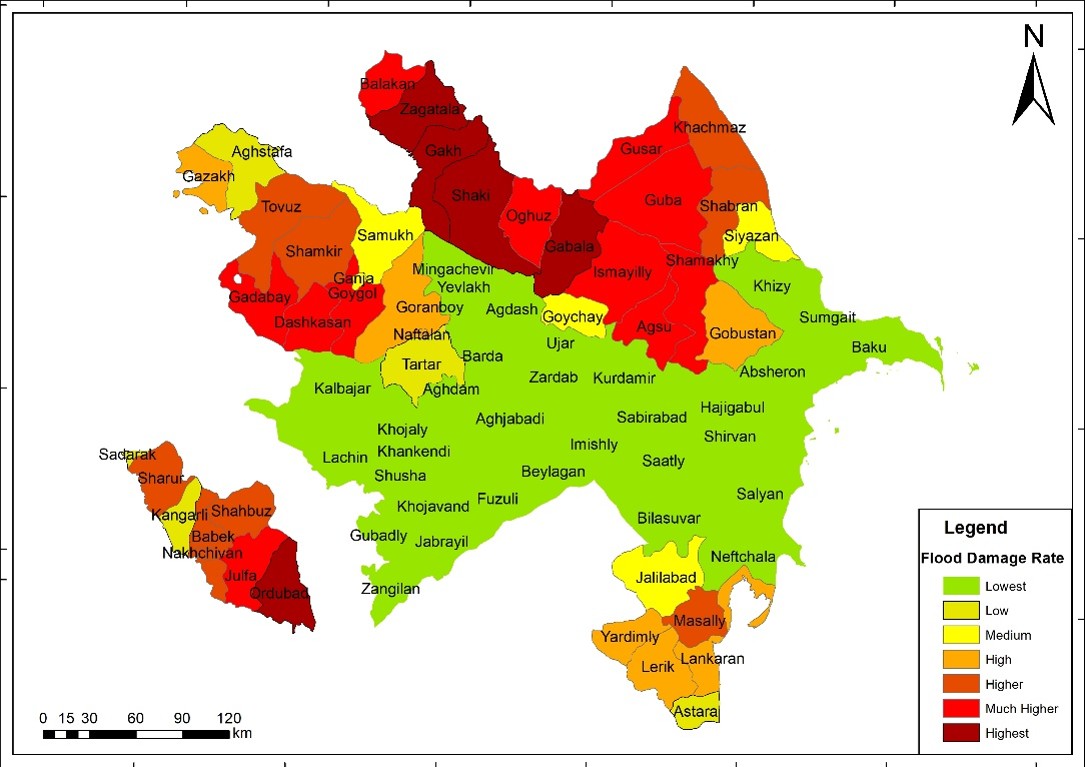
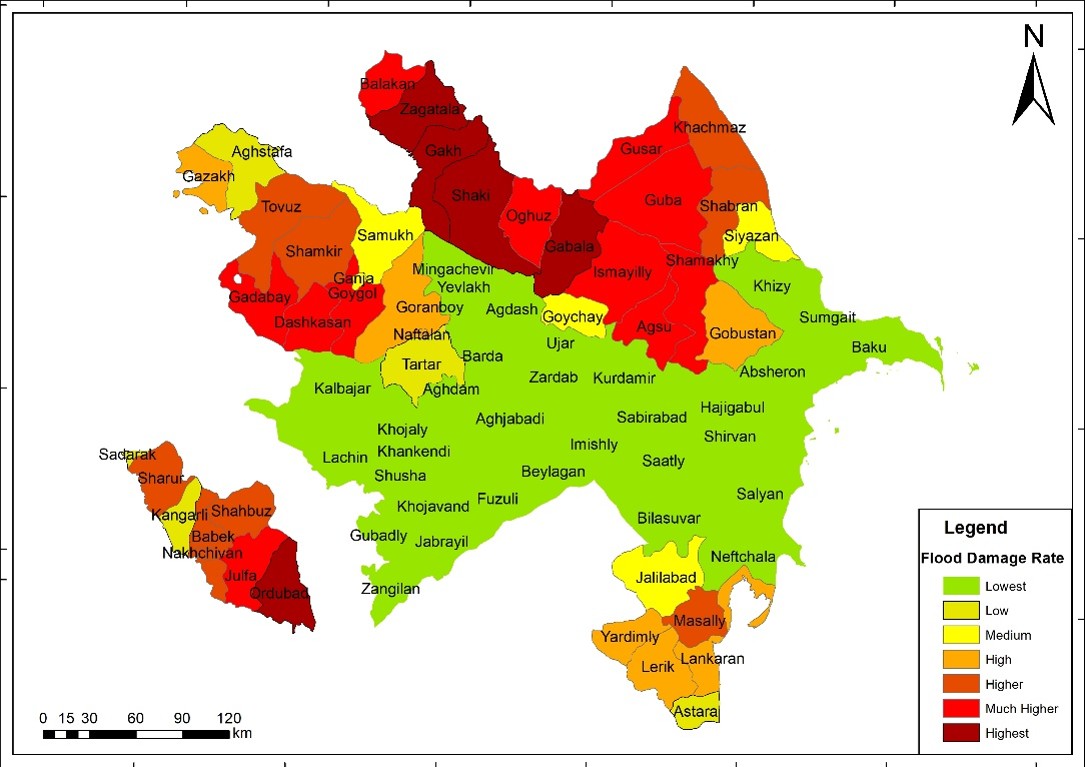
increasing flood risk. In particular, in strategic economic regions such as Shaki-Zagatala, Guba-Khach
maz, Ganja-Dashkasan and Nakhchivan Autonomous Republic, the consequences caused by floods
create serious obstacles to the sustainability of regional development. The scientific novelty of the
work consists in studying flood events in their natural and anthropogenic interaction, and systematiz
ing the regional differentiation of the economic damage they cause. At the end of the study, scientific
and practical recommendations are put forward to optimize economic activity in risky areas, improve
engineering protection systems, and ensure the safety of the population.