BAKU STATE UNIVERSITY JOURNAL of
EARTH SCIENCES & ENVIRONMENT
ISSN: 3006-8703 (ONLINE);
METASOMATIC ALTERATION HALOES AND GENERATION OF THE ROCK SERIES THAT ASSOCIATED WITH ORE DEPOSITION PROCESSES ON THE AGHYOKHUSH GROUP DEPOSITS (CHOVDAR ORE FIELD)
Received: 15-Dec-2025 Accepted: 19-Dec-2025 Published: 15-Mar-2026 Read PDFDownload PDF
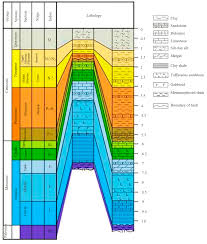
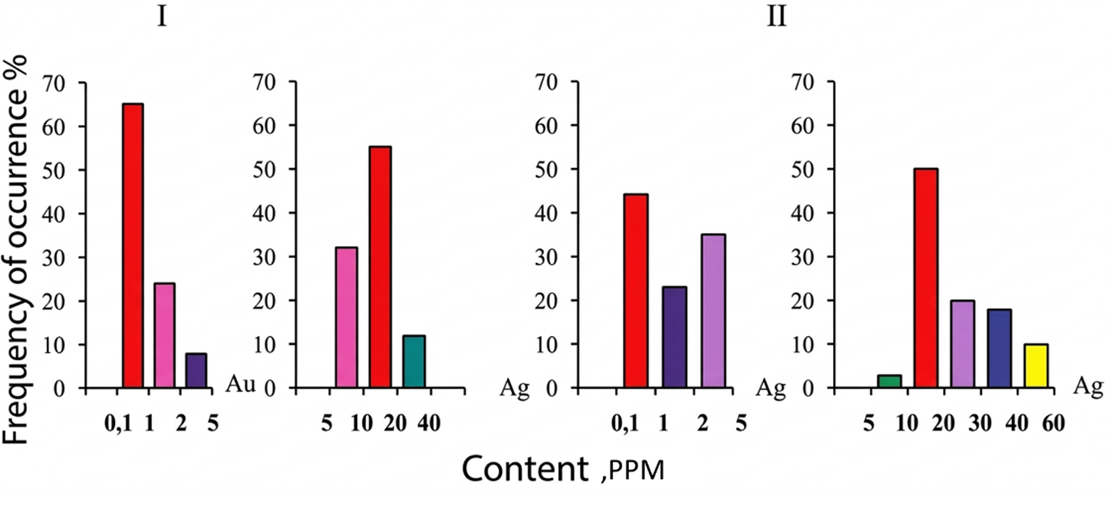
The Aghyokhush Group of hydrothermal Au deposits illustrate recent discoveries and achievements in the mining industry of Azerbaijan. The mentioned group of deposits consists of four epithermal Au depos-its – Aghyokhush 1, Aghyokhush 2, Aghyokhush 3, and Mereh deposits. Deposits are considered satellite deposits of the Chovdar Au deposit, which is one of the largest epithermal Au deposits in the country. Agyokhush group deposits are located in 4 to 7 km northeast of the Chovdar deposit. It is examined that the Chovdar ore field is situated at the junction of the morphogenetic volcano-tectonic type fault sys-tems. The main lithologic facies that are controlled by faults, and connected with ore formation process-es are basaltic to andesitic, and dacitic to rhyolitic subvolcanic to effusive (lavas, tuffs) formations that formed during the lower and upper Bajocian. Magmatism that is related to ore-forming processes of the area is also considered to be calc-alkaline and is mostly related to the formation of high-sulfidation epi-thermal and porphyry-type ore deposits. Mentioned lithological facies altered by the hydrothermal pro-cesses that formed alteration haloes around also within the deposits that played a significant role during the exploration periods of the deposits. Aghyokhush-1 and Aghyokhush-2, Aghyokhush-3, and Mereh de-posits are considered to be high-sulfidation epithermal gold deposits, while thermobaric characteristics, depth, ore, and gangue mineral associations differ within deposits that investigated in this paper.