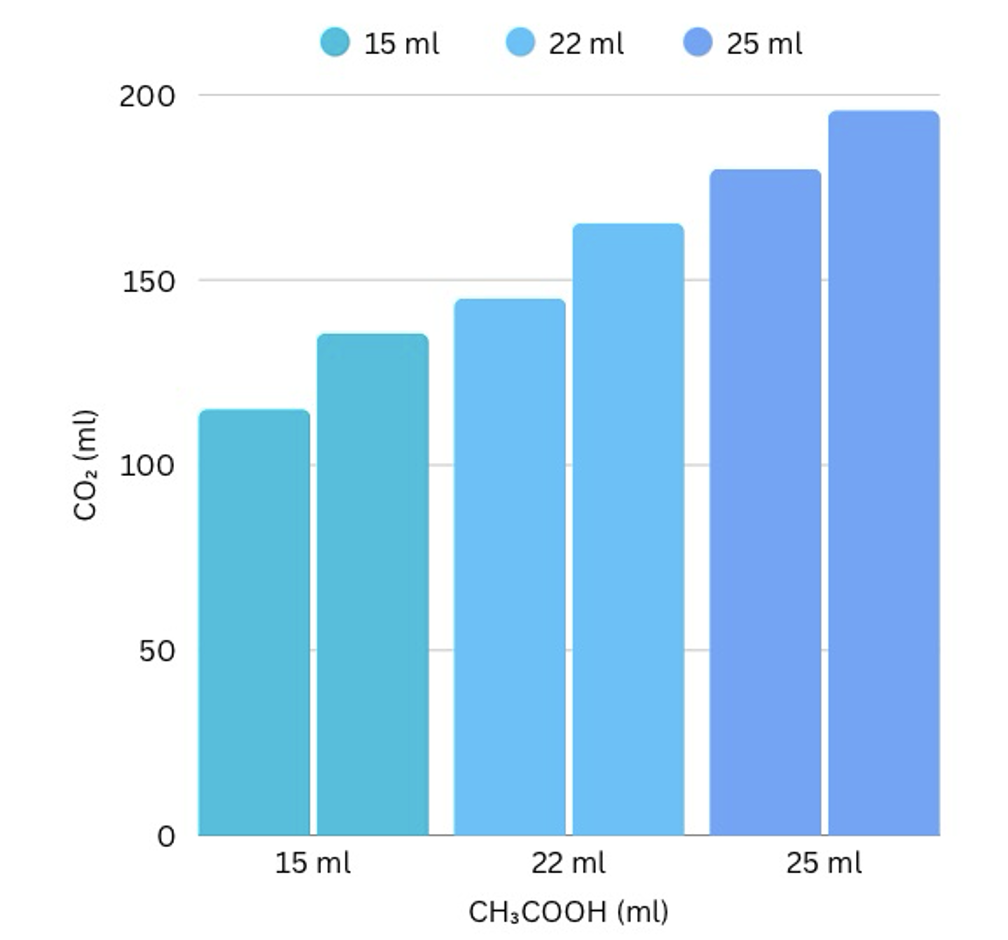
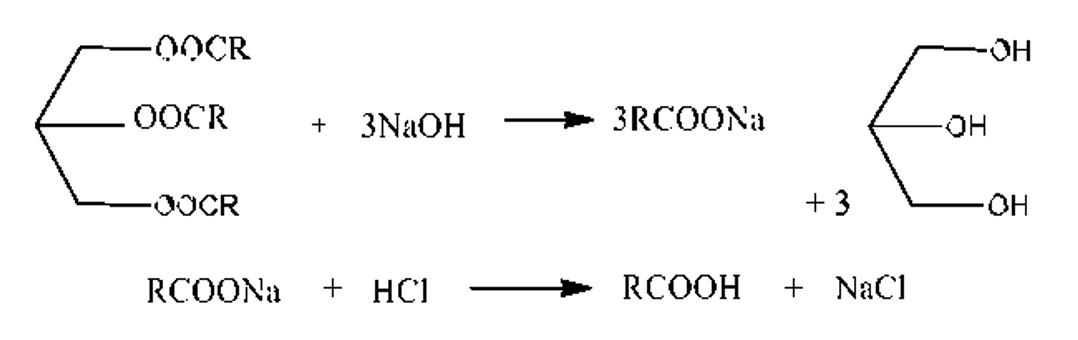
In the modern world, the technological revolution has also triggered a transformation in the fields of science and education. Artificial intelligence and similar 21st-century technologies are no longer confined solely to computer and information sciences. They have begun to find broad applications in various fields, including chemistry, biology, and physics. Today, chemistry – as a science characterized by complex reactions and numerous variables – presents itself as an open platform for leveraging the capabilities of artificial intelligence (AI). AI introduces a range of innovations into the teaching and learning of chemistry. This study aims to explore the potential impact of artificial intelligence on education. The article analyzes the integration of AI into educational environments and examines its practical applications. In particular, it investigates the use of AI for the automation of chemical reactions. The objective is to highlight the importance of this topic from both scientific-technical and pedagogical perspectives and to illustrate how such technologies can be implemented within instructional contexts. The integration of AI into the field of chemistry should not be limited to academic or industrial research alone. Incorporating these technologies at the secondary school level can enhance students’ scientific and technical literacy while also fostering essential 21st-century skills such as critical and creative thinking. A review of relevant literature has been conducted, and practical examples involving the use of ChatGPT have been presented in the paper. The significance of such research lies in its contribution to the emerging direction of AI-assisted chemistry education. The findings of this paper suggest that the use of AI in chemistry instruction makes significant contributions to the learning process and represents a modern instructional tool aimed at improving the quality of education. The application of such technologies in chemistry classes not only serves as a supportive resource for teachers and students but also plays a crucial role in enriching students’ learning experiences and promoting the development of critical thinking skills.