BAKU STATE UNIVERSITY JOURNAL of
CHEMISTRY & MATERIALS SCIENCE
ISSN: 3006-7073 (ONLINE);
INVESTIGATION OF THE CHEMICAL AND PHYSICAL CHARACTERISTICS OF PRODUCTS DERIVED FROM THE PYROLYSIS OF PINE WOOD BIOMASS
Received: 22-Feb-2026 Accepted: 10-Apr-2026 Published: 13-Apr-2026 Read PDFDownload PDF
Nadira Hasankhanova; Fuzuli Nasirov
DOI:
Abstract
In this article, the phase distribution and the main physicochemical properties of the solid (biochar), liquid (bio-oil), and gaseous products obtained during the pyrolysis of pine (Pinus spp.) biomass under an inert atmosphere were comprehensively investigated. Pyrolysis of lignocellulosic feedstocks is one of the widely used thermochemical conversion methods for the production of biofuels and carbonaceous materials. The experiments were carried out in the temperature range of 450–550 °C at a heating rate of 300 °C/min under a nitrogen flow of 400 cm³/min. The liquid fraction was analyzed by GC–MS, and it was found that phenolic derivatives (~45.5%) and ketones (~17%) were the predominant components, which is consistent with the high lignin content of pine wood.
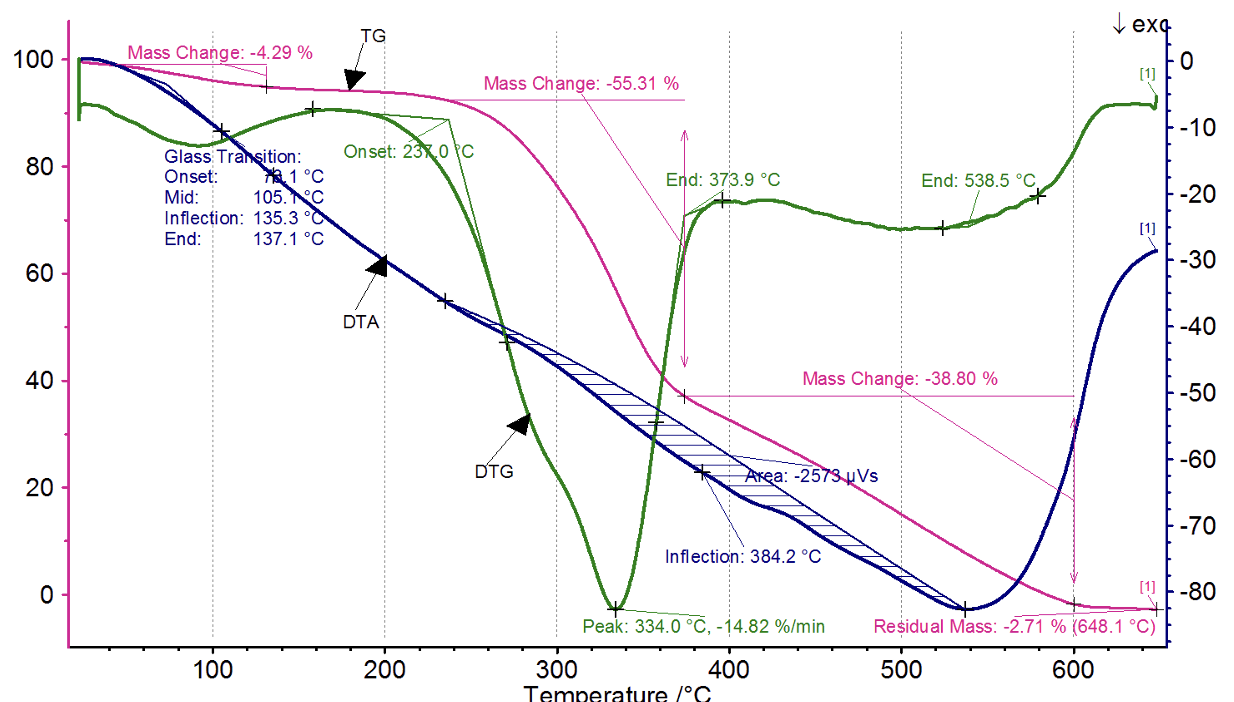
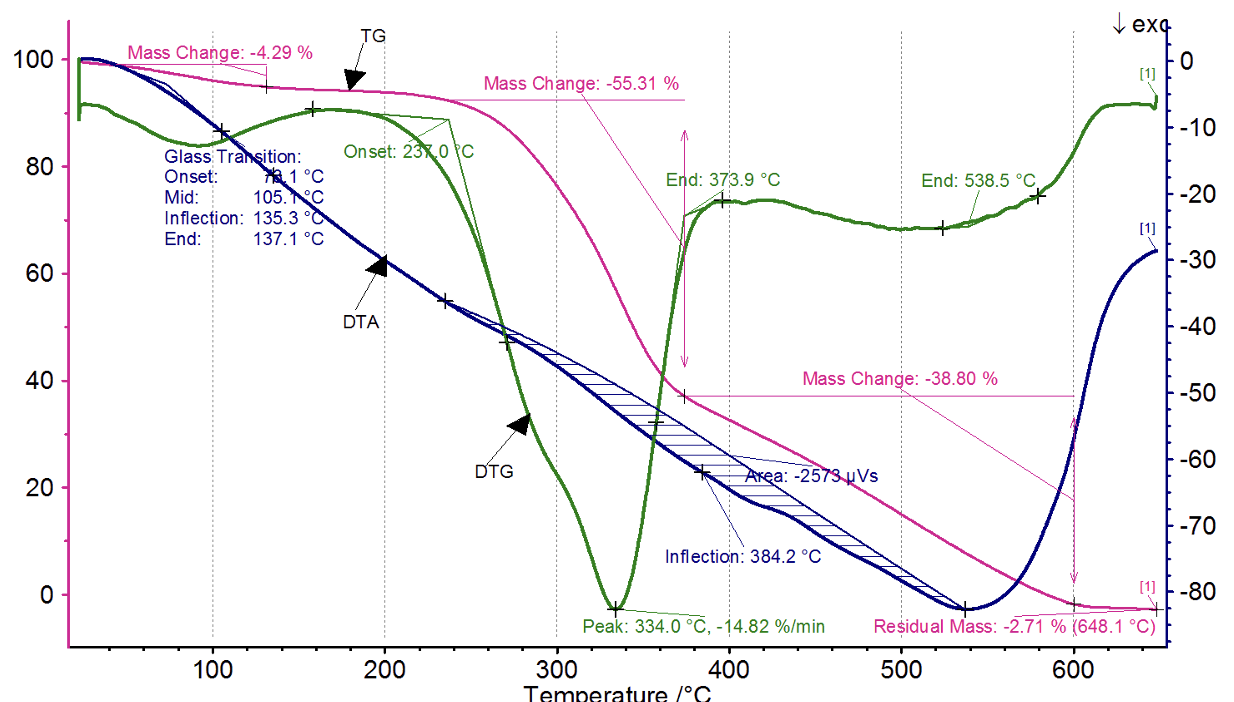
Thermal analysis (TG/DTG/DTA) of the raw material showed that the main devolatilization stage occurs in the temperature range of 267-356 °C. Chromatographic analysis of the gaseous fraction revealed the predominance of methane and C2–C3 hydrocarbons. The calorific value of the solid residue, estimated using the Dulong-type approach, was about ~18.9 MJ/kg. The obtained results indicate that pine wood waste is a promising feedstock for both energy and material-oriented utilization.