Arzu Mammadova; Aysura Quluzada; Salima Ovchiyeva; Bibixanım Mammadova; Zeynab Agazada
DOI:
Abstract
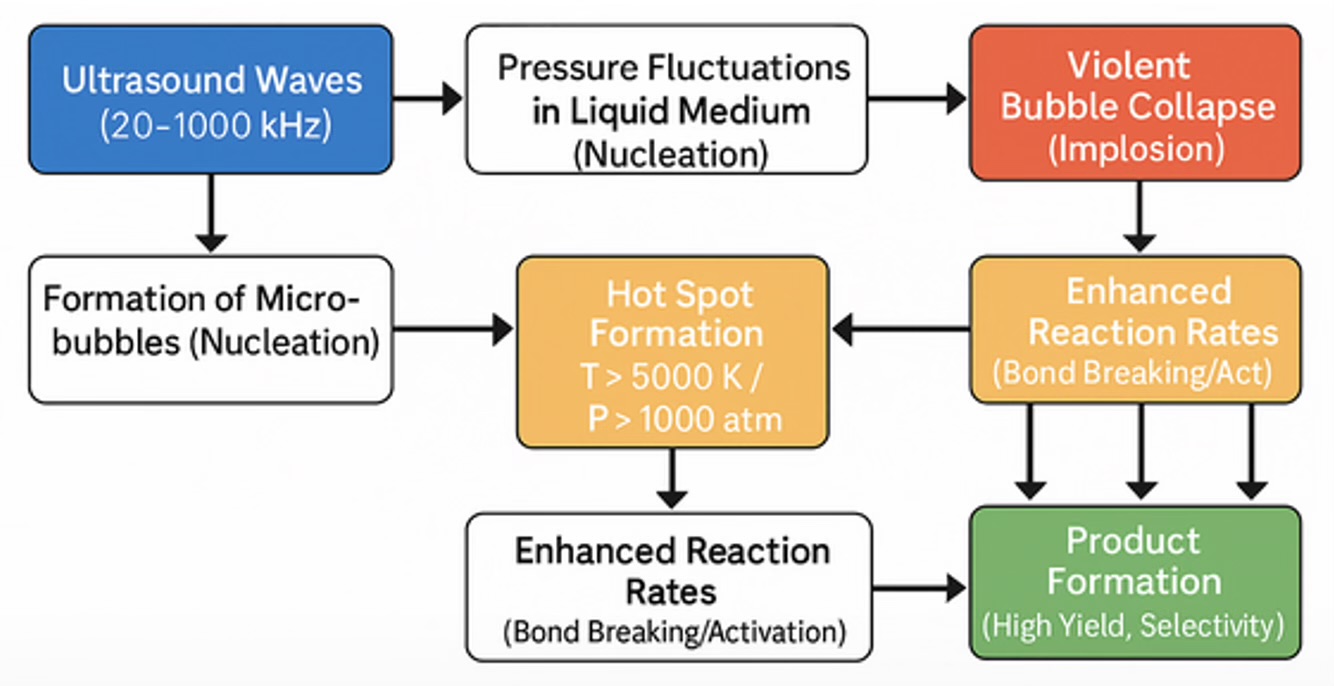
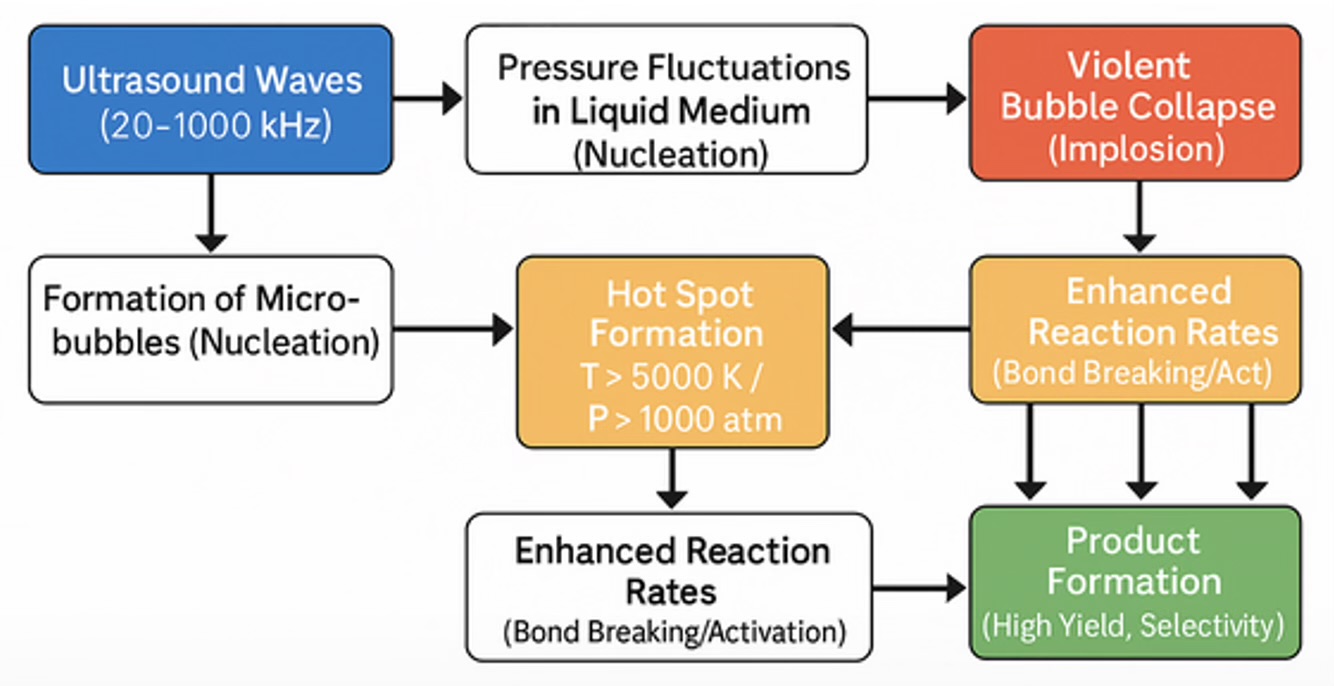
This article provides a comprehensive scientific analysis of the fundamental principles of green chemistry and their application in modern organic synthesis. Green chemistry, introduced by Paul Anastas and John Warner in the 1990s, aims to minimize the environmental impact of chemical processes by reducing waste, lowering energy consumption, avoiding hazardous substances, and promoting economic efficiency. The study examines the twelve principles of green chemistry and demonstrates how these guidelines support sustainable reaction design across all stages of organic synthesis—from raw material selection to final product formation. Various eco-friendly synthesis methods such as microwave-assisted reactions, ultrasonic cavitation, water-based processes, biocatalysis, ionic liquids, supercritical CO₂-mediated synthesis, photocatalysis, and mechanochemistry are analysed in detail. These methods exhibit significant advantages over conventional techniques, including higher yields, reduced toxicity, lower energy requirements, and minimal waste generation. Practical examples, such as the green synthesis of ibuprofen and aspirin, illustrate the industrial and laboratory relevance of these strategies. The findings highlight that green chemistry not only enhances environmental sustainability in the chemical and pharmaceutical industries but also offers promising prospects for future development, especially when integrated with nanotechnology, artificial intelligence, and automated synthesis platforms. Overall, the principles and methods of green chemistry provide an effective scientific framework for addressing global environmental challenges such as climate change, resource depletion, and hazardous chemical waste.