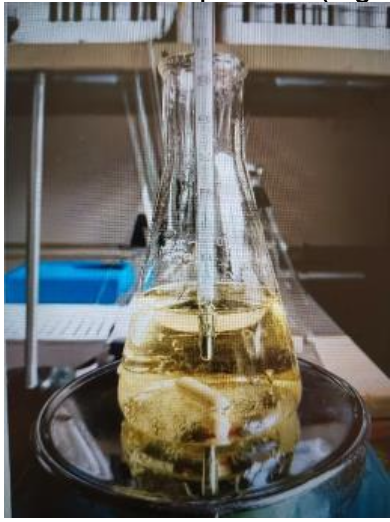
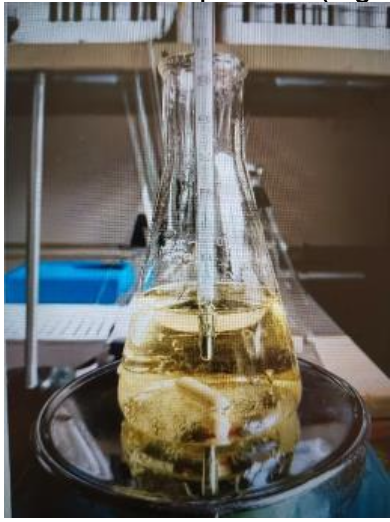
In this study, photocatalytic CdS nanoparticles were synthesized via a chemical
precipitation method using Elaeagnus angustifolia (oleaster) fruit extract as a green bio-
assisted agent. The use of plant-derived extract provided an environmentally friendly
synthesis route, where naturally occurring phytochemicals acted as reducing and stabilizing
agents, influencing the size and surface characteristics of the nanoparticles. The synthesized
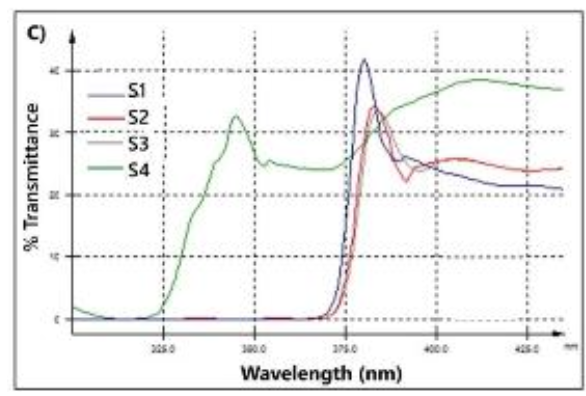
CdS nanoparticles exhibited strong absorption in the visible light region, indicating their
suitability for photocatalytic applications. The photocatalytic performance of the obtained
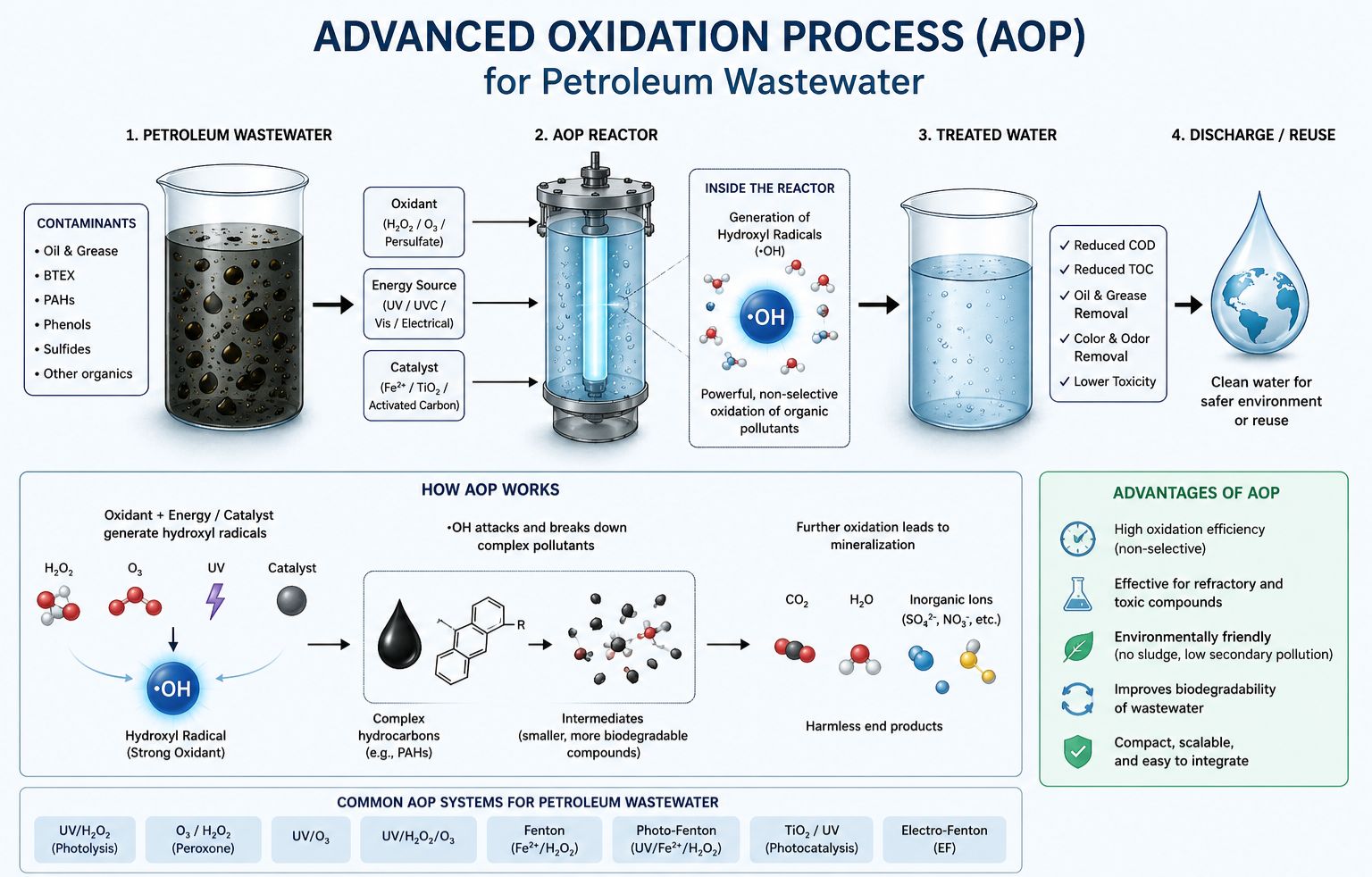
nanomaterials suggests their potential effectiveness in the degradation of organic pollutants
present in air and water environments. Moreover, the integration of nanomaterial synthesis
with the ecological utilization of oleaster, a salt- and drought-tolerant plant widely used in soil
restoration, highlights a sustainable approach combining environmental remediation and
green nanotechnology. This work demonstrates the potential of bio-assisted CdS
nanomaterials for advanced environmental purification applications.