Elshad Gurbanov, Humira Hüseynova, Aysu Allahverdiyeva
DOI:
Abstract
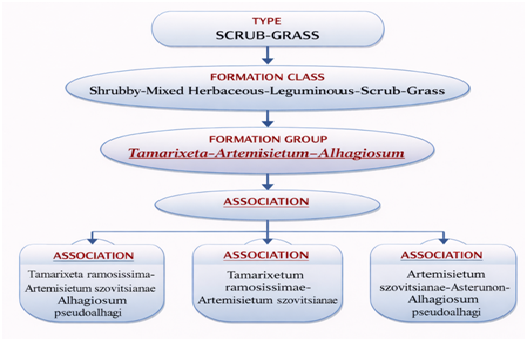
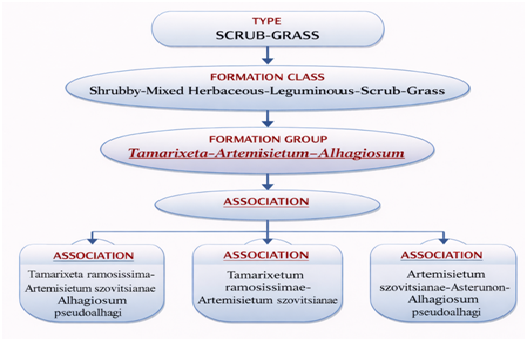
This research focuses on the species composition and productivity of the scrub-grass vegetation, specifically the Tamarixeta-Artemisietum-Alhagiosum formation, in the grazing lands of Pirshagı settlement, located in the southern part of the Absheron Peninsula, Azerbaijan. The study examines the influence of anthropogenic and technogenic factors on the productivity of these lands, providing essential insights for their sustainable management. Field surveys were conducted on June 26, 2025, to assess the structure of the vegetation, identify the dominant and subdominant species, and calculate the dry biomass of different botanical groups. The productivity of the vegetation was recorded at 8.5 kg/ha, with legumes contributing the highest biomass (49.4%). The research emphasizes the importance of geobotanical studies for the efficient management of natural forage lands, particularly in suburban pastures [8]. The study also highlights the necessity of applying sustainable practices, such as rotational grazing and land restoration, to improve productivity and preserve the ecological balance [16]. The findings have practical implications for restoring degraded lands, enhancing forage plant growth, and promoting the conservation of endemic species, contributing to the long-term sustainability of the Pirshagı grazing lands [3].