BAKI UNİVERSİTETİNİN XƏBƏRLƏRİ
Humanitar elmlər seriyası
RESUMPTION OF THE EXCAVATIONS OF THE MIDDLE PALEOLITHIC TAGLAR CAVE
Received: 07-Apr-2025 Accepted: 18-Apr-2025 Published: 05-May-2025 Read PDFDownload PDF
Yoshihiro NISHIAKI; Azad ZEYNALOV; Yagub MAMMADOV
DOI:
Abstract
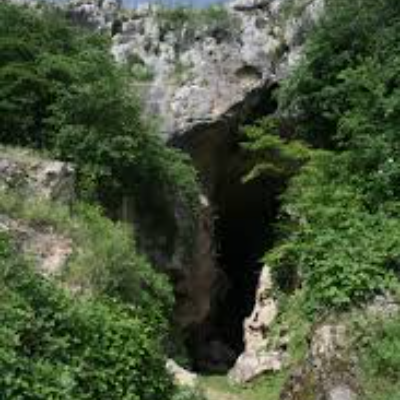
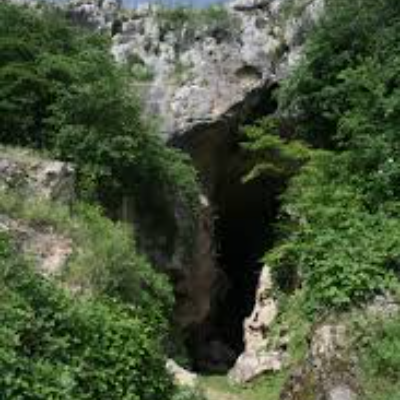
Taglar Cave was first documented in 1960 by M.M. Huseynov and was investigated intermittently over a 12-year period from 1964 to 1986. A total area of 72 m² was excavated. The cave is located at an altitude of 712 meters above sea level, 30 meters above the current bed of the Guruchay River. It consists of six chambers, measuring approximately 50 meters in width and 25 meters in length, with a maximum height of 5.5 meters.
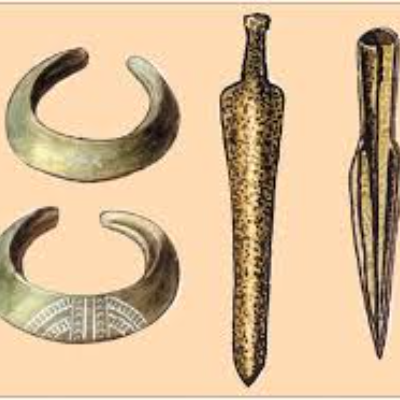
During the earlier excavations, six stratigraphic layers were identified. The first layer contained materials from the Middle Ages, as well as the Bronze and Chalcolithic periods. The remaining layers were attributed to the Middle Paleolithic period.
In 2024, a joint international archaeological expedition conducted by Azerbaijan and Japan resumed research at Taglar Cave. That season’s investigations focused on the eastern wall of the cave, where an 8-meter-long longitudinal section (north-south) was excavated and its stratigraphy documented. A grid system was implemented, confirming that a significant portion of the sediment remains unexcavated.
Excavations in 2024 uncovered several hearths, approximately one thousand lithic artifacts, and faunal remains. Additionally, five sediment samples from Layers II and III and two from below Layer VI were collected for absolute dating using the OSL (Optically Stimulated Luminescence) method. These results are expected to provide more precise chronological data regarding the cave’s occupation.