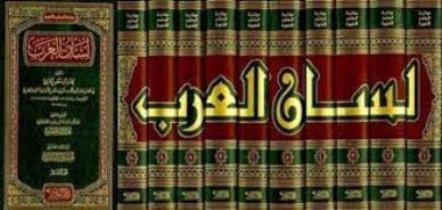
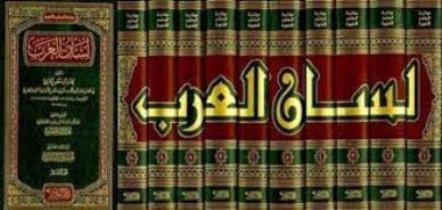
The article examines the content and scholarly specificity of the concept of the shahid bayt and analyzes its role in the development of various fields of medieval knowledge, particularly philological studies. The research corpus comprises more than ten bayts selected from the encyclopedic work Lisān al-`Arab (“The Language of the Arabs”) by the thirteenth-century Egyptian philologist Ibn Manẓūr. Within the framework of the study, and with the aim of ensuring a systematic philological approach, a literary and linguistic analysis of shahid bayts is conducted; their philological translation is provided; and commentary and elucidation are offered on the basis of a range of medieval sources. Shahid bayts accumulate a substantial body of information pertaining to the Arab ayyām – the historical past of the Arabs – as well as to the medieval literary and philological milieu. Owing to the historical memory preserved in these texts and their transmission of multifaceted information to the present day, the study of such bayts constitutes an important and timely area of philological research. At the same time, it should be noted that within European Oriental studies shahid bayts have, to date, not received adequate scholarly consideration or systematic investigation. In the course of the research, the diwans of numerous classical poets were consulted, along with commentaries on these diwans; textological clarifications were carried out, and in a number of cases the reasons and circumstances surrounding the composition of the analyzed bayts were identified.