BAKU STATE UNIVERSITY JOURNAL of
EARTH SCIENCES & ENVIRONMENT
ISSN: 3006-8703 (ONLINE);
URBAN SETTLEMENT PATTERNS AND SOCIO-ECONOMIC DEVEL-OPMENT OF CITIES IN THE REPUBLIC OF AZERBAIJAN
Received: 01-Mar-2025 Accepted: 08-Jul-2025 Published: 21-Sep-2025 Read PDFDownload PDF
Saleh G. Nagiye; Imran A. Bayramov
DOI:
Abstract
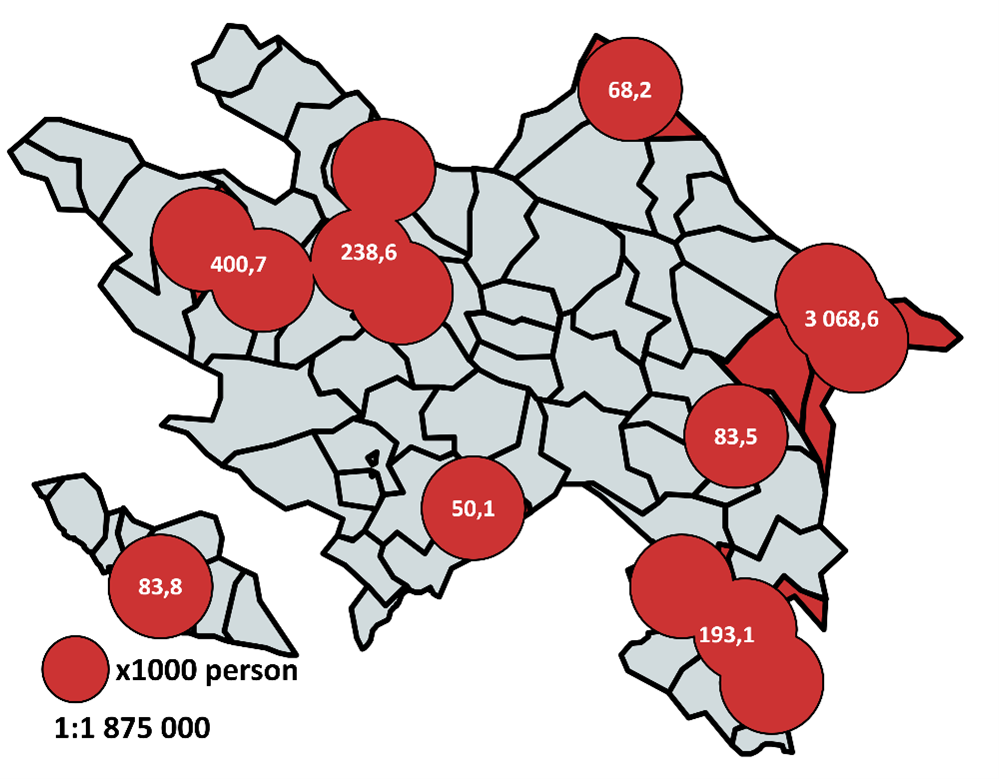
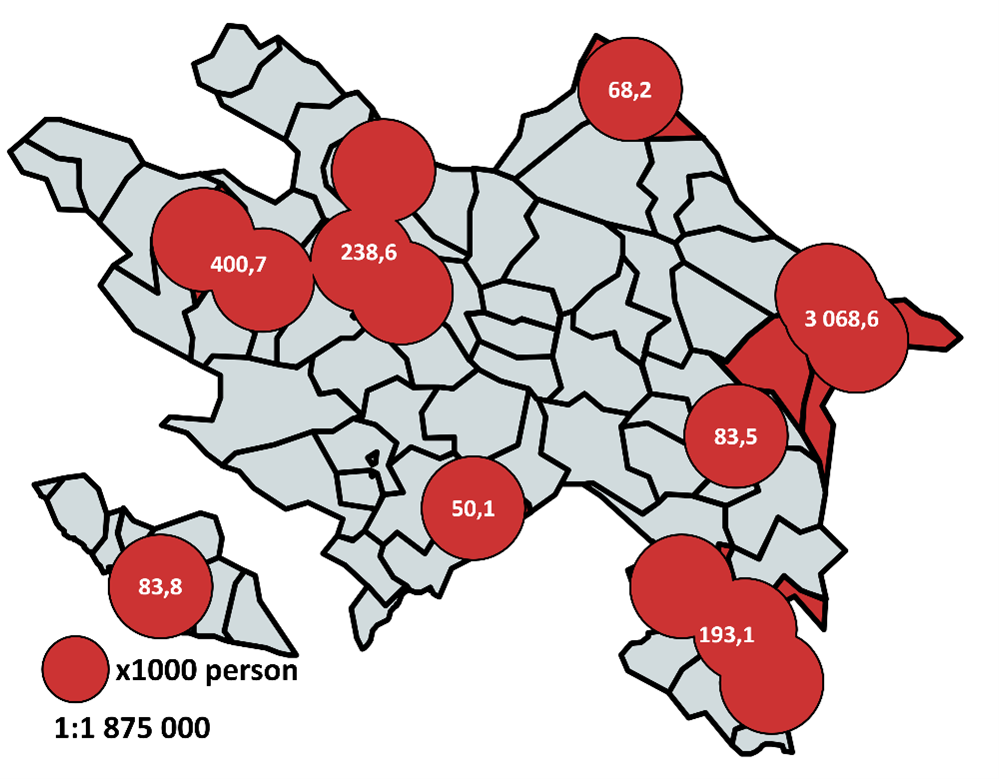
The study examines spatial distribution, demographic dynamics, and functional specialization of these urban centers, with particular attention to the capital city of Baku and other significant nodes. Au-thors examine the contemporary urban settlement structure and socio-economic development patterns of cities in the Republic of Azerbaijan, with a focus on urban centers under republican subordination. The analysis reveals significant regional disparities in urban population distribution, with over half of the ur-ban population concentrated in the Baku and Absheron-Khizi economic regions, underscoring the emer-gence of the Baku metropolitan area as a major urban agglomeration in the South Caucasus.
The paper identifies a steady increase in the urbanization rate from 52.4% in 2005 to 54.5% in 2024, driven primarily by rural-to-urban migration and socio-economic factors that attract younger popu-lations to urban centers. Despite positive urban growth, the research documents a marked decline in reproduction rates across both urban and rural areas, raising concerns about long-term demographic sustainability. The gender and age structure analysis points to a relatively balanced gender ratio and a youth demographic advantage in cities, linked to educational and labor migration.
The findings provide critical insights for policymakers aiming to foster equitable spatial develop-ment, enhance urban-rural linkages, and promote inclusive socio-economic progress throughout Azerbai-jan.