Saleh G. Nagiyev; Imran A. Bayramov
DOI: https://doi.org/10.30546/209805.2026.3.1.2029
Abstract
Post-conflict population return represents one of the most complex challenges of regional devel-opment, as it requires not only physical resettlement but also the restoration of socio-economic systems and territorial functionality. In the contemporary global context, empirical evidence on sustainable rein-tegration remains limited, particularly about resilience-oriented analytical frameworks. This article ex-amines the socio-economic preconditions for sustainable reintegration in the post-conflict Karabakh economic region through the lens of territorial resilience.
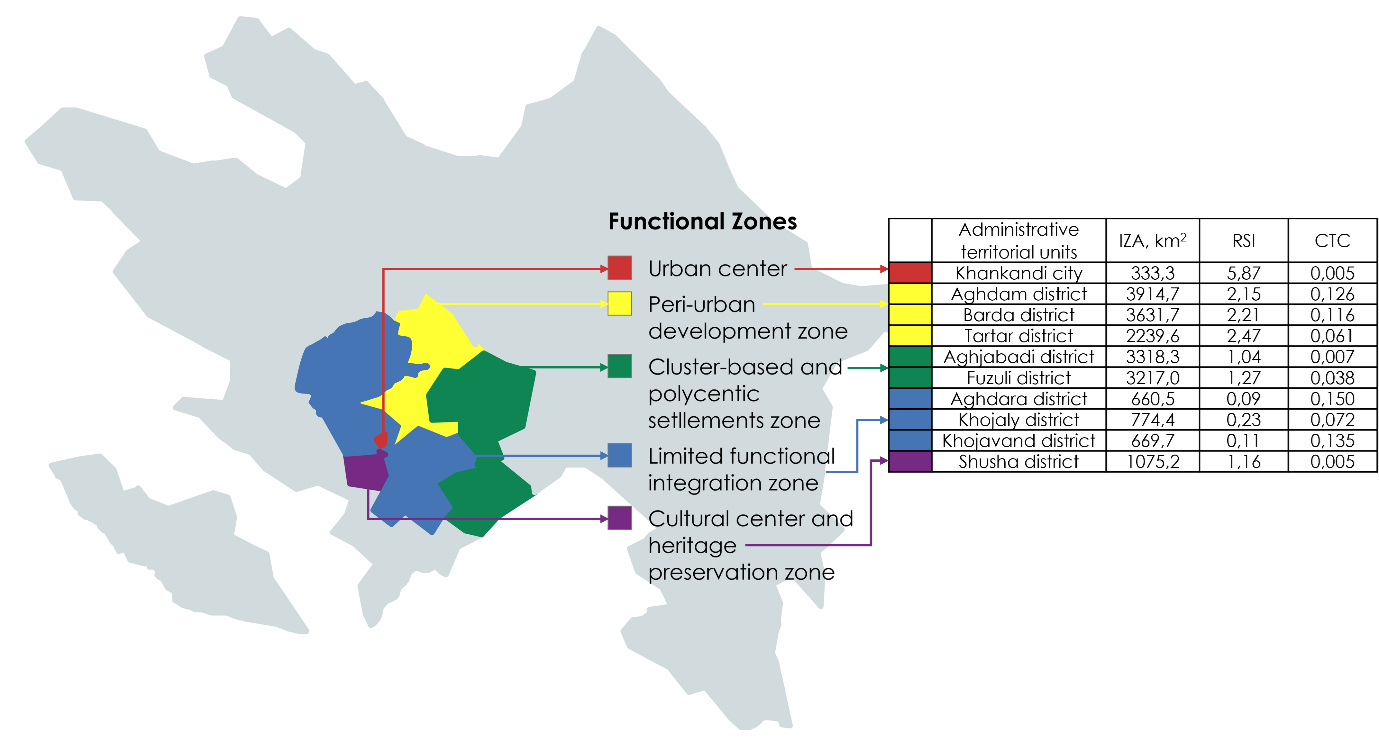
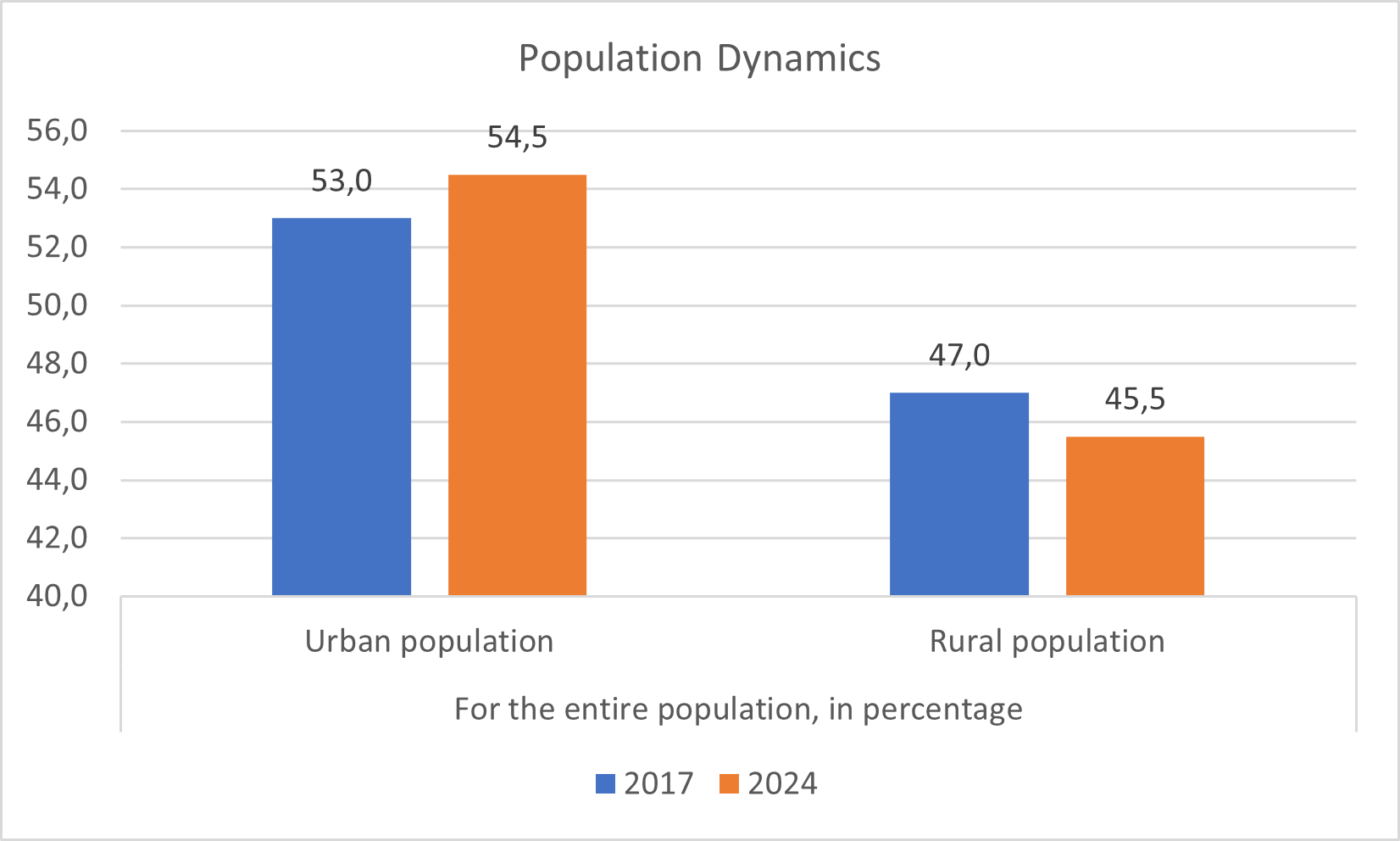
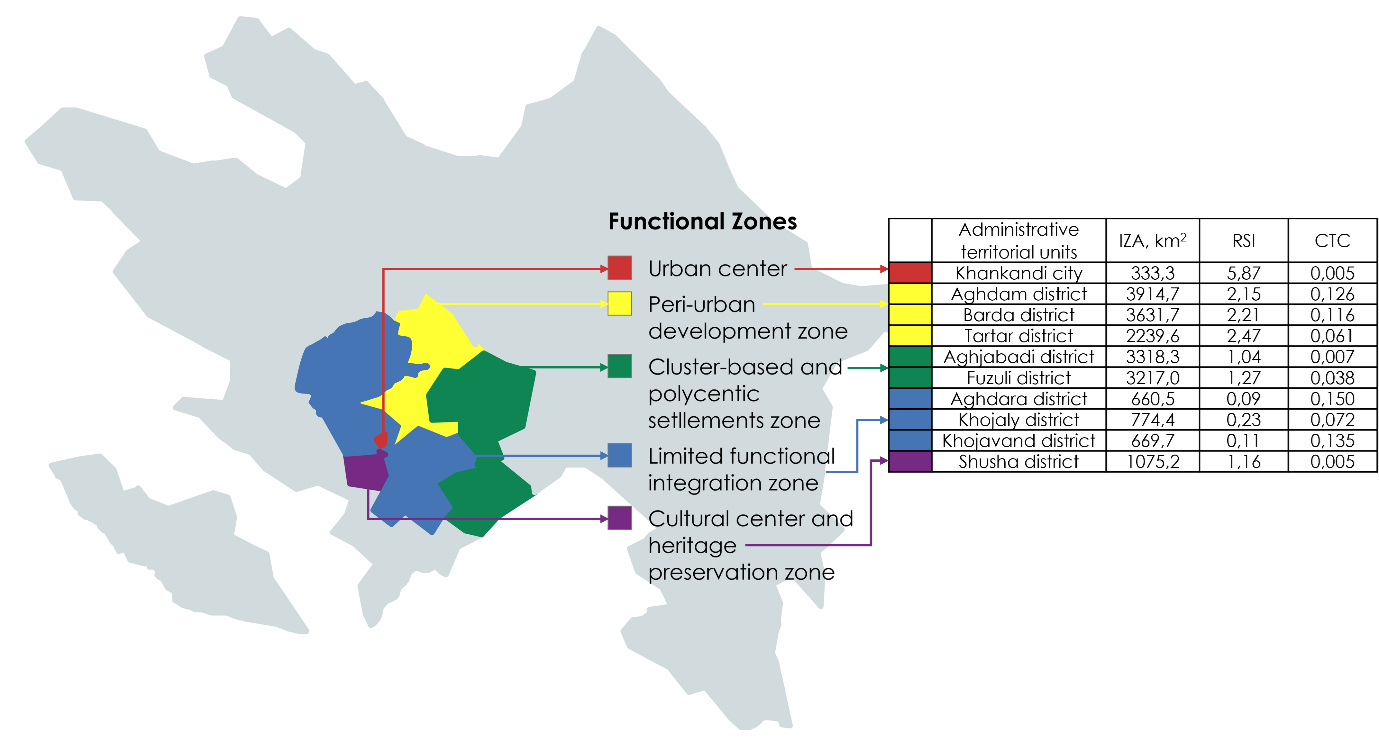
Drawing on a systematic analysis of spatial, demographic, sectoral, and investment indicators, the study explores how settlement structure, demographic composition, agricultural performance, and capi-tal investment dynamics shape the region’s capacity to absorb returning populations. The findings reveal that Karabakh exhibits a relatively coherent internal spatial structure, a youthful demographic profile exceeding national averages, and a strong agricultural base that contributes significantly to national out-put. At the same time, pronounced intra-regional disparities, low levels of urbanization, and gender im-balances within the youth cohort highlight structural vulnerabilities that may constrain long-term stabil-ity.
The results demonstrate that agriculture functions as a key pillar of rural resilience, while acceler-ated housing construction and fixed capital investment underpin material foundations for permanent settlement. However, sustainable reintegration depends on territorially differentiated policies that strengthen rural-urban linkages, promote inclusive labor markets, and align settlement planning with economic development strategies. By advancing a resilience-based interpretation of post-conflict reinte-gration, the article contributes to regional development and post-conflict studies and offers transferable insights for other regions undergoing large-scale population return.