BAKU STATE UNIVERSITY JOURNAL of
CHEMISTRY & MATERIALS SCIENCE
ISSN: 3006-7073 (ONLINE);
SYNTHESIS OF AMIDOAMINE-BASED INHIBITORS DERIVED FROM VEGETABLE OIL FATTY ACIDS AND COMPREHENSIVE EVALUATION OF THEIR PERFORMANCE IN MITIGATING ASPHALTENE–RESIN–PARAFFIN DEPOSITION
Received: 01-Feb-2026 Accepted: 10-Apr-2026 Published: 13-Apr-2026 Read PDFDownload PDF
Deposition of asphaltene-resin-paraffin (ARP) components during oil manufacturing and transport continues to be an ongoing flow control concern, resulting in lower well yield, greater hydraulic resistance, and interruptions in operations. In the current investigation, amidoamine-based inhibitors were synthesized from fatty acids obtained from various vegetable oils (sunflower, corn, and soybean oils) and tested for their potential use in reducing ARP deposition.
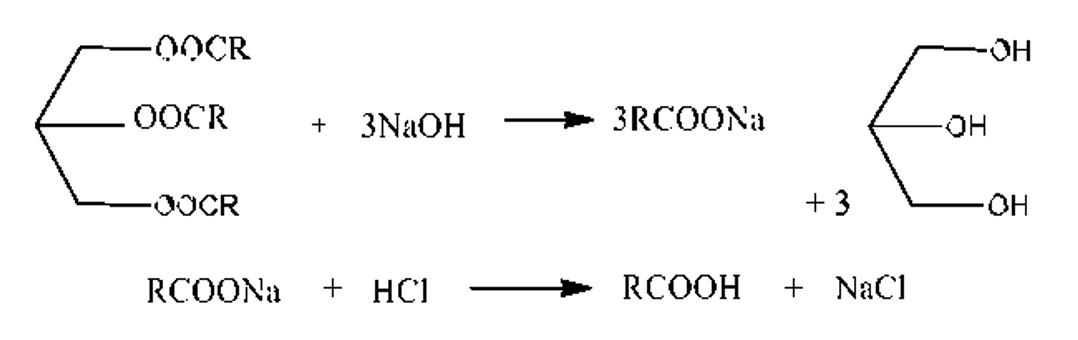
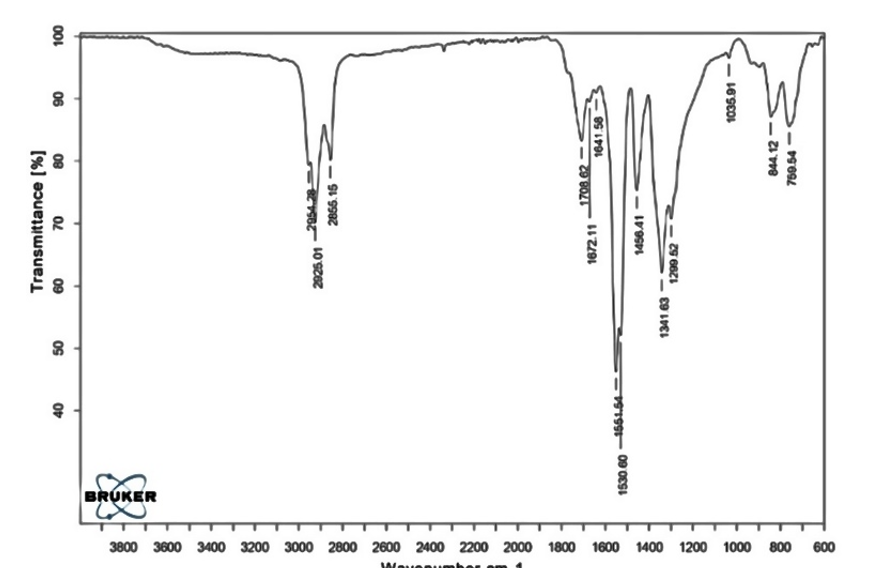
Fatty acids have been generated via alkaline hydrolysis of vegetable oils, followed by acidification and filtration. The physical variables of the recovered fatty acids were measured, including density and refractive index, respectively.Infrared (IR) spectroscopy was used for structural confirmation. The typical spectrum of absorption belonging to carboxyl (COOH) and unsaturated C=C functional groups were discovered.
Amidoamines were then manufactured via condensation reactions comprising fatty acids and polyamines (DETA, TETA, and PEPA) at 130–190°C in a 1:1 molar ratio utilizing a Dean–Stark apparatus for moisture removal. The reaction yields ranged from 92 to 98%. Density, index of refractive and freezing temperature were measured for the produced amidoamines.
The findings that were obtained demonstrate that the physicochemical features of the produced amidoamines vary depending on the fatty acid supply and polyamine structure, which influences their potential inhibitory effectiveness. The research project provides a scientifically supported strategy for the creation of plant-based nitrogen-laden inhibitors for chemical oversight of asphaltene, resin, and paraffin deposition in oilfield systems.